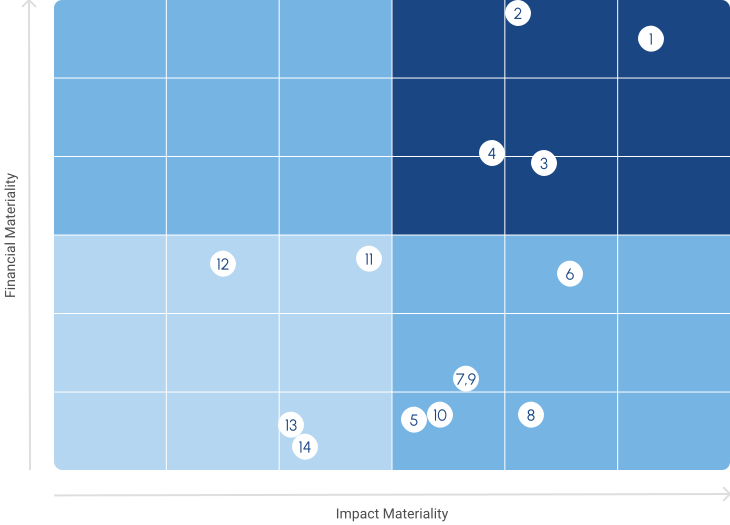
Material Sustainability Topic
Materiality Topics
BAFS conducts an annual review and assessment process to identify material sustainability issues, ensuring that the operations address the concerns, needs, and expectations of all stakeholder groups. In 2025, the material sustainability topics were identified based on the Double Materiality principle, in accordance with the European Union’s Corporate Sustainability Reporting Directive (CSRD), which focuses on assessing impacts from two perspectives.
Sustainability Materiality Assessment based on Double Materiality Principles
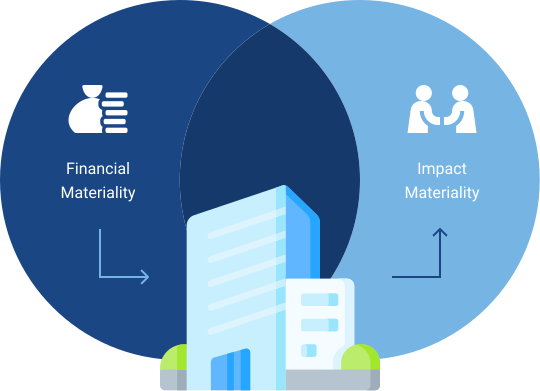
Perspective 1: Outside-In
Financial Materiality
Assessing the risks and opportunities from the material topics that may impact the company’s financial position.
Perspective 2: Inside-Out
Impact Materiality
Assessing the actual or potential impacts of the company’s operations on the material issues on external stakeholders, society, and the environment.
Sustainability Materiality Assessment Process
Identification of material sustainability topics
Review the list of material sustainability topics for the annual review based on:
- Existing sustainability topics, reviewed and analysed for alignment with the business context, trends, and relevant regulations or requirements, whether consistent or changed.
- Emerging or high-interest national and global sustainability topics, such as those from GRI Standards, SASB Standards, and the Stock Exchange of Thailand (SET).
Stakeholder engagement
External Stakeholders
Gathering concerns, expectations, and potential impacts arising from the Company’s operations through interviews and data analysis.
Internal Stakeholders
Organising workshops to collectively assess risks and opportunities from various topics that may impact financial performance or enterprise value.
Prioritisation of material sustainability topics
Impact on External Stakeholders
- Assessed based on the severity and the likelihood of the impact Financial Impact on the Organisation
- Evaluated based on the value of risks and opportunities and prioritised in accordance with the Enterprise Risk Management criteria approved by the Board of Directors. The materiality topics are prioritised based on the Impact Materiality rankings in conjunction with Financial Materiality.
Validation and approval of the annual review
Sustainability Management Working Group (SWG)
Review for accuracy, appropriateness, and alignment with the various operations of the Sustainability practices.
Corporate Sustainability Committee (CSC)
Review the results of the annual sustainability materiality topic review prior to their integration into the strategy formulation and enterprise risk management processes.
Board of Directors
Review and define policies, strategic plans, and enterprise risk management plans in accordance with the annual material sustainability topics.
The sustainability materiality assessment based on Double Materiality principles enables the Company to comprehensively evaluate and prioritise material topics by assessing actual and potential risks and opportunities that may impact business value, alongside the impacts on stakeholders resulting from the Company’s operations. This process also considers stakeholder expectations through established engagement mechanisms to ensure that the selected topics reflect the business’s impacts on the economy, society, and the environment, as well as the risks and opportunities that may affect the Company’s future operations and performance.
Results of the Sustainability Materiality Topic Review 2026
Based on the sustainability materiality assessment process conducted in accordance with Double Materiality principles, the Company has identified a total of 14 material sustainability topics. These cover three key dimensions - Environmental, Social, and Governance (ESG)—and are considered significant for driving organisational strategy, creating long-term value, and ensuring the Company’s sustainable growth.
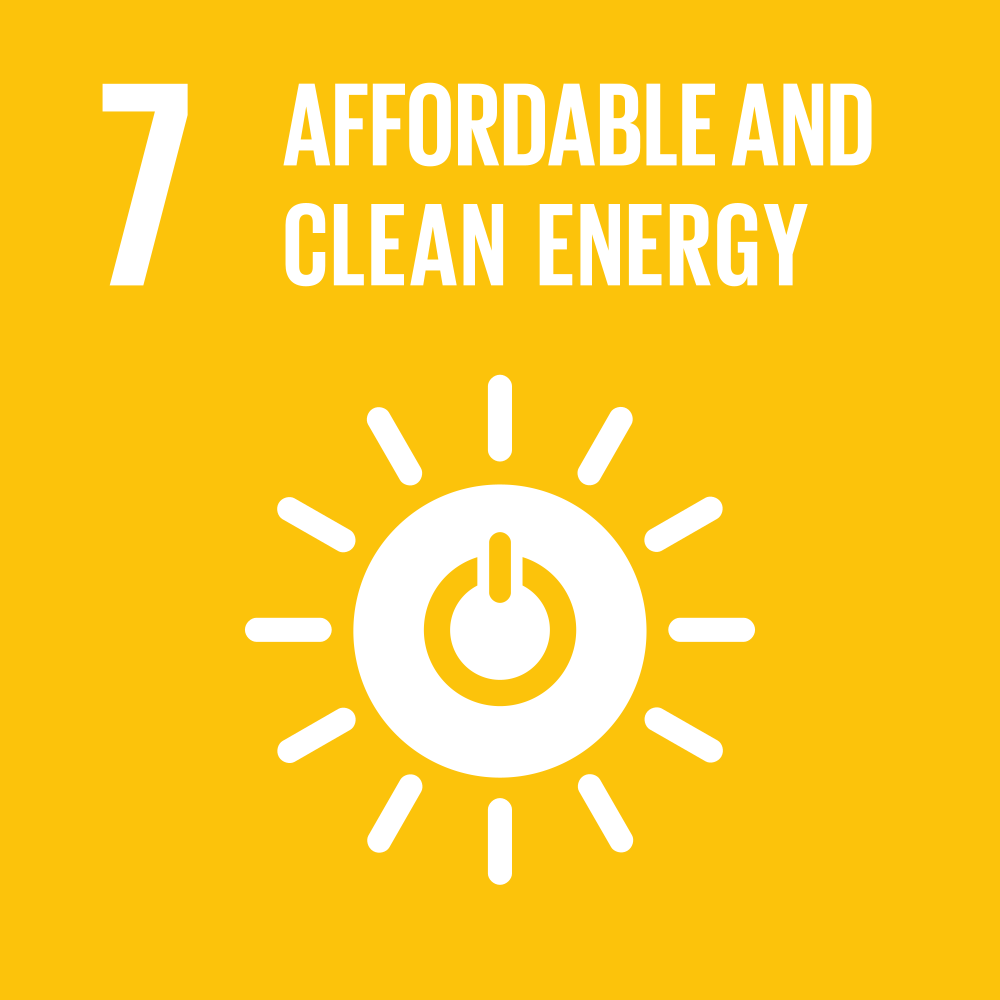
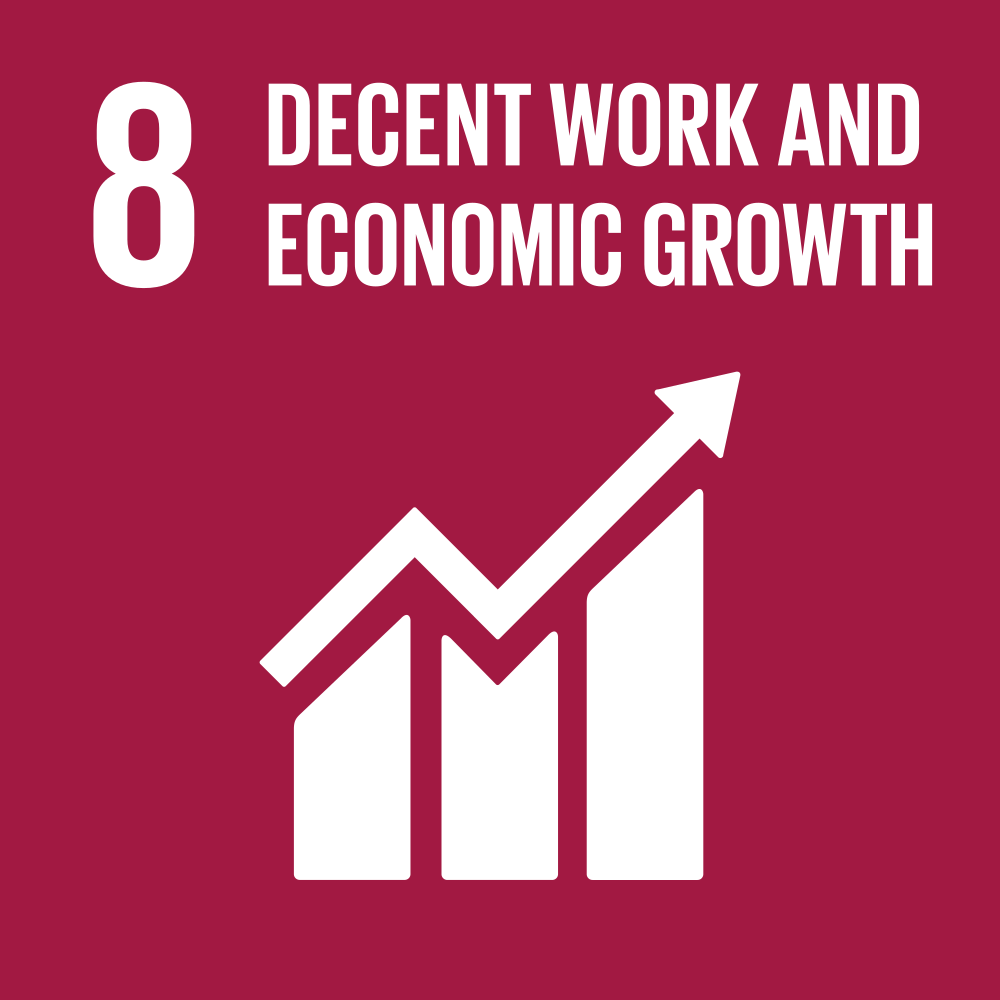
Sustainable Development Goals
High
Materiality Topics




Governance Dimension
- Business Models Resilience
- Digital Transformation and Cybersecurity
- Sustainable Innovation and ESG Investment
Environmental Dimension
- Climate Change Management
Moderate
Materiality Topics




Environmental Dimension
- Biodiversity and Ecological Impact Management
- Environmental Management
Governance Dimension
- Business Ethics and Code of Conduct
- Systematic Risk Management
Social Dimension
- Occupational Health and Safety
- Community Engagement and Social Value Creation
Low
Materiality Topics



Governance Dimension
- Service and Product Quality
- Sustainable Supply Chain Management
Social Dimension
- Human Capital and Workforce Management
- Human Rights, Labor Rights, and Fair Treatment of Workers